O que você está procurando
?
Como escolher a lente de visão robótica com IA ideal: um guia completo para aplicações com encaixe M12 e S-Mount
Apr 25, 2026O rápido crescimento da robótica impulsionada por IA está transformando diversos setores, desde a automação de serviços e segurança inteligente até a inspeção industrial e a entrega autônoma. No cerne desses sistemas inteligentes reside um componente crítico, porém frequentemente subestimado: a inteligência artificial. lente de visão robótica.
Embora muitos desenvolvedores se concentrem principalmente em sensores e algoritmos de IA, a lente óptica desempenha um papel igualmente importante na determinação da precisão com que um robô consegue perceber e interpretar o ambiente ao seu redor. Selecionar a lente correta é fundamental. lente de visão robótica com IA, particularmente Lentes M12 (lentes com encaixe tipo S), afeta diretamente a nitidez da imagem, a percepção de profundidade, o desempenho em condições de baixa luminosidade e a tomada de decisões em tempo real.
Este guia oferece uma visão geral abrangente de como escolher a lente mais adequada para o seu sistema de visão robótica, ajudando você a tomar decisões informadas, seja para desenvolver um novo produto ou otimizar um projeto existente.
Antes de analisar as especificações, é essencial definir claramente o cenário de aplicação. Diferentes tipos de robôs exigem diferentes características ópticas, e escolher uma lente sem um caso de uso claro geralmente leva a limitações de desempenho posteriormente.
Por exemplo, robôs de serviço que operam em ambientes internos geralmente priorizam a cobertura de grande angular para navegar com eficiência em espaços confinados. Em contrapartida, robôs industriais usados para inspeção ou montagem exigem lentes com menor distorção e maior nitidez para garantir a precisão. Robôs de segurança, especialmente aqueles que trabalham à noite, demandam recursos avançados de baixa luminosidade e infravermelho.
É por isso que muitos engenheiros iniciam seu processo de seleção identificando palavras-chave como lente para robôs de serviço, lente da câmera de navegação do robô, ou solução de lentes de visão para robôs industriaisEsses não são apenas termos de pesquisa — eles refletem requisitos técnicos fundamentalmente diferentes.
Um dos parâmetros mais importantes na seleção de lentes é o campo de visão (FOV)Isso determina a porção do ambiente que o robô consegue capturar em um determinado momento.
Lentes grande-angulares e olho de peixe, geralmente com ângulos de visão de 120° a mais de 180°, são amplamente utilizadas em robôs móveis. Elas permitem uma percepção ambiental mais ampla, tornando-as ideais para navegação, desvio de obstáculos e SLAM (Mapeamento e Localização Simultâneos). É por isso que termos como Lente grande angular para visão robótica e Lente olho de peixe para robôs móveis são cada vez mais comuns na indústria.
Por outro lado, lentes padrão com campos de visão mais estreitos são mais adequadas para aplicações que exigem reconhecimento detalhado, como detecção de objetos ou monitoramento a longa distância. O equilíbrio entre cobertura e detalhes deve ser cuidadosamente avaliado com base na tarefa do robô.
Em muitos projetos modernos, os desenvolvedores estão optando por lentes ultra-angulares. Lentes M12 Reduzir os pontos cegos e minimizar o número de câmeras necessárias, diminuindo, em última análise, o custo e a complexidade do sistema.
Os robôs não estão mais limitados a ambientes internos bem iluminados. Muitos agora operam ao ar livre ou em condições de iluminação desafiadoras, tornando-se... desempenho em condições de baixa luminosidade um fator crítico.
Uma opção de alta qualidade. Lente para baixa luminosidade para robôs com IA geralmente apresenta uma grande abertura (como F1.0 a F1.8), o que permite que mais luz atinja o sensor. Isso melhora significativamente o brilho e a nitidez da imagem em ambientes escuros. Além disso, lentes compatíveis com infravermelho São essenciais para aplicações de visão noturna, particularmente em robôs de segurança e vigilância.
Ao avaliar as opções, é importante considerar não apenas o tamanho da abertura, mas também o design óptico e a qualidade do material, pois estes impactam diretamente a transmissão de luz e o ruído da imagem. Uma lente bem otimizada lente da câmera do robô de visão noturna Pode melhorar drasticamente a precisão da detecção e a confiabilidade operacional.
Outro fator crucial é garantir a compatibilidade adequada entre a lente e o sensor de imagem. Mesmo o melhor sensor não terá um bom desempenho se for usado com uma lente incompatível.
Os sistemas de visão robótica modernos geralmente usam sensores de 2 MP, 5 MP ou até mesmo de resolução mais alta. Consequentemente, as lentes devem ser projetadas para suportar a resolução e o tamanho do sensor necessários, como 1/2,7" ou 1/2,8". É por isso que buscas como Lente M12 de 5MP para câmera robótica ou Lente para visão robótica com sensor de 1/2,7". são altamente relevantes durante o processo de seleção.
A falha em combinar adequadamente esses componentes pode resultar em problemas como bordas desfocadas, nitidez reduzida e degradação geral da imagem, afetando, em última análise, o desempenho do modelo de IA.
À medida que os robôs se tornam mais avançados, a capacidade de perceber profundidade torna-se cada vez mais importante. Isso levou à rápida adoção de tecnologias de visão 3D, particularmente sistemas estéreo de lente dupla.
Ao usar duas lentes para capturar imagens de perspectivas ligeiramente diferentes, os robôs conseguem calcular a profundidade e compreender melhor as relações espaciais. Essa capacidade é essencial para aplicações como desvio de obstáculos, seleção de objetos e mapeamento do ambiente.
Palavras-chave como Lente dupla para visão estéreo robótica e Lente de visão 3D para robôs com IA refletir essa crescente demanda. Para desenvolvedores que trabalham em sistemas avançados, investir em um solução óptica personalizada de lente dupla Pode melhorar significativamente o desempenho e abrir novas possibilidades de aplicação.
Com a mudança em direção a IA de pontaOs robôs estão cada vez mais processando dados visuais localmente, em vez de depender da computação em nuvem. Isso permite tempos de resposta mais rápidos, mas também exige maior qualidade de imagem.
Nesse contexto, a lente torna-se ainda mais crítica. Um desempenho óptico ruim — como alta distorção ou baixa nitidez — pode afetar negativamente os algoritmos de IA e levar a decisões incorretas.
Lentes de alta qualidade projetadas para sistemas de câmeras de IA de ponta Normalmente, apresentam baixa distorção, alta MTF (função de transferência de modulação) e imagens consistentes em toda a imagem. Essas características garantem que os dados inseridos nos modelos de IA sejam precisos e confiáveis.
Os sistemas modernos de visão robótica frequentemente integram múltiplos sensores, incluindo câmeras, LiDAR e radar. Essa abordagem, conhecida como fusão de sensores, aprimora a percepção ao combinar diferentes tipos de dados.
Em tais sistemas, a lente da câmera deve ser otimizada para funcionar perfeitamente em conjunto com outros sensores. Por exemplo, alinhamento, campo de visão e sincronização desempenham papéis importantes.
Como resultado, há um interesse crescente em soluções descritas como Lente de visão robótica para fusão de sensores ou Lente de câmera para sistema LiDAREm vez de funcionar como um componente independente, a lente passa a fazer parte de um sistema de percepção integrado maior.
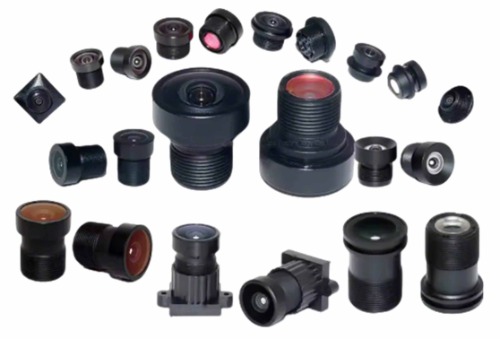
À medida que os robôs se tornam menores e mais sensíveis aos custos, soluções ópticas compactas estão em alta demanda. É aqui que Lentes M12 (lentes com encaixe tipo S) destacar-se.
Seu tamanho reduzido, estrutura leve e facilidade de integração os tornam ideais para uma ampla gama de aplicações, desde robôs de consumo até dispositivos industriais. Além disso, são altamente econômicos para produção em larga escala.
Termos de pesquisa como Lente M12 compacta para robôs com IA e módulo de lente de câmera robótica de tamanho reduzido Destacar a preferência do mercado por esses componentes versáteis.
Embora lentes comuns possam funcionar para aplicações básicas, muitos projetos de robótica exigem lentes mais sofisticadas. soluções ópticas personalizadas Para alcançar o desempenho ideal.
Um confiável Fabricante de lentes para robôs com IA deve ser capaz de fornecer:
É por isso que termos como fabricante de lentes robóticas personalizadas com IA e Fornecedor de lentes OEM M12 são cada vez mais importantes nas decisões de aquisição.
Trabalhar com um fabricante experiente não só melhora o desempenho do produto, como também encurta os ciclos de desenvolvimento e reduz os custos a longo prazo.
Sobre a Wintop Optics
Óptica Wintop Somos um fabricante profissional de lentes para visão robótica com IA, com mais de 20 anos de experiência. Nosso foco são lentes M12 (montagem S) e oferecemos soluções personalizadas OEM/ODM para robôs com IA, câmeras automotivas e sistemas de visão inteligentes.
✔ Design e fabricação internos
✔ Qualidade estável e entrega rápida
✔ Quantidade mínima de encomenda flexível e preços direto da fábrica
E-mail: yorty@yuntal.com
WhatsApp/TEL: +86 153 0268 9906
Envie-nos suas necessidades e receba sua solução de lentes personalizadas hoje mesmo.
 Inscreva-se em nossos boletins informativos
Telefone : Overseas contact Lina : 86 153-0268-9906
Overseas emial : yorty@yuntal.com
WhatsApp : +86 153-0268-9906
E1108, Jinbolong Building, Longhua, Shenzhen,Guangdong, China


Friendly Links :
whatsappdireito autoral © 2026 WINTOP OPTICS CO., LTD.. Todos os direitos reservados .粤ICP备2025439823号-1
 IPv6 network supported.